
Hair
Black girls and women continue to be overlooked simply because of embracing their hair. Hair is important within the black community. The expression of beauty through hairstyles has been a long-standing signature of Black culture.
From the Afro to hair wraps to braids and weaves, Black women use their hairstyles as a personal expression of who they are and to show the evolution of Black culture over time, an evolution which has brought us to a time when more and more Black women are embracing the natural beauty of their own hair. However, it doesn’t escape controversy. Beauty, and specifically hair, in Black culture has been a sensitive topic of discussion for decades with roots all the way back to the Civil Rights Movement and beyond.
Historically, social injustice, violence, and racial inequality have required many Black women to cover their hair. For instance, hair wraps were used before emancipation as a symbol of oppression/social status and a way for Black women to make their owners less attractive to themselves. When Black women joined the industrial workforce, many felt obligated to follow a more western practice such as straightened, processed, and altered from their natural curl pattern. Even today, black hairstyles, such as dreadlocks, afros and braids are typically limited in some areas, schools or workplaces and may be a reason for exclusion and termination. It seems every hairstyle Black girls and women get is challenged. We can never get a break!
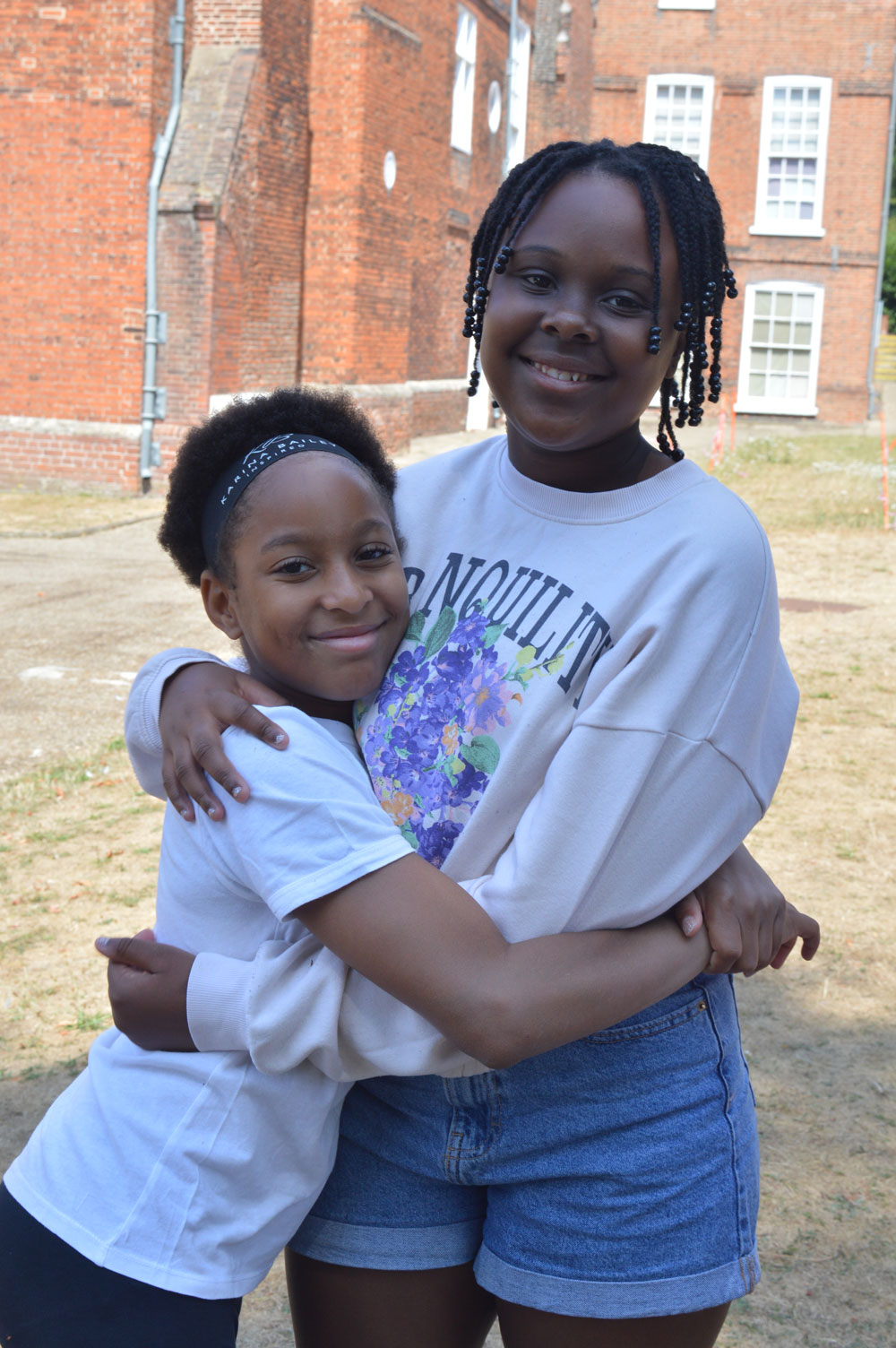
Each girl has her own story or “hair journey” often marked by struggles stemming back to childhood. As a Black woman, I have experienced my own struggles to embrace my hair in its natural state and, to this day, consider it a vital step in accepting and defining my own cultural identity. As a young girl, I was often subjected to teasing because of my big “puffy” hair; this is the same for young girls even today. Here at PHOEBE, we want insecurities about the girl’s natural hair to be removed by celebrating natural hair and other black hairstyles. By engaging in workshops and activities about celebrating our hair and curls, we hope young Black girls can be confident with their appearance which will have positive effects on their self-esteem.
Three Ways to End Hair Discrimination
Knowledge is key.
Don’t touch without consent.
Call it out.